back to top

Solid Surface Countertops: Complete Guide to Cost, Pros, Cons & Design Options

Solid Surface Countertops

What are Solid Surface Countertops?

Solid surface countertops are made from natural mineral and acrylic or polyester resin blends. They are engineered to offer a surface that is smooth and non-porous.

These countertops are designed to replicate the appearance of natural materials while offering improved consistency and easier maintenance. Because they are manufactured materials, they can be produced in a wide range of colors, patterns, and finishes.

Solid surfaces are often used in kitchens, bathrooms, and workspaces. They are also used in healthcare environments because of their seamless design.

What Are Solid Countertops Made Of?

Solid countertops are made from a blend of natural minerals and resin. In this case, resin refers to acrylic or polyester, and mineral can refer to aluminum trihydrate. The combination of these ingredients create a strong and durable solid.

The mineral adds strength while the resin holds the mixture together to create a smooth surface that can be easily molded. Pigments are added to create variety and diverse designs.

Because the material composition is consistent throughout the slab, the surface maintains the same color and structure even if it is sanded or refinished.

How Solid Surface Countertops Are Manufactured

The highly engineered process of producing solid surface countertops begins with certain ingredients being combined (mixed together) into a liquid formulation. Some of those ingredients include a mix of minerals, liquid resin, and pigments. This liquid formulation is combined in a carefully controlled environment and allowed to cure to crystalline structure. Before and after the structure is cured (heu) is is formed into solid blocks (slabs) in a variety of dimensions (sizes).

The slabs are cut up into smaller blocks (smaller slabs) then fabricated to specific integral solid surface design specifications. These include, edge profiling, integrated (constructed) sink cutouts, and incorporated backsplashes.

Fabricators then perform finishing operations to obtain a gloss or satin finish. The solid surface composite curing process allows for slabs to be seamlessly joined during the installation process enabling fabricators to produce large undifferentiated solid surface areas in kitchen (countertop) and bathroom (vanity) installations.

Popular Materials Used in Solid Surface Countertops

Counts of solid surface countertops are built from blends of various resins and minerals. Each has its own set of performance characteristics.

Of the various solid surface countertop materials, those that are acrylic-based are the most popular. Their durability is excellent and they are able to be repaired easily. With regard to solid surface countertop materials, those that are polyester-based are often used where more saturated colors, or more elaborate design patterns, are required. These materials also permit the manufacturer to produce that which closely resembles the look of natural stone, while also providing solid color options.

The versatility of solid surface style countertops is one of the reasons they are so popular, especially in modern homes and business interiors.

When it comes to kitchen or bathroom counters, most people just want something that holds up. Something you can clean without a hassle, that doesn’t fall apart when life gets messy. That’s why solid surface countertops are a solid pick for your kitchens.

They don’t have the prestige of granite or the sparkle of quartz. But what they do have is something that quietly earns respect over time: reliability. If you’re redoing your kitchen or planning a new one from scratch, it’s worth taking a closer look at what these surfaces are, how they work, and why so many people are choosing them.

Key Features of Solid Surface Countertops

Seamless Appearance and Integrated Design

A unique feature of solid surface countertops is the seamless appearance they offer. Each section is joined using a special adhesive that creates almost unnoticeable seams.

This is helpful for designers in forming solid surface kitchen countertops of extended continuous length or in sink integration and allows for custom designs and implementations of curves, back splashes, and edge profiles.

The finished countertops are flush and polished, and the seamless appearance offers a contemporary and sophisticated visual.

Non-Porous and Hygienic Surface

The solid surface kitchen and counters and sinks are made from a material that is non-absorbent, and in this respect offer a sanitary feature unlike many natural stones.

The non-porous surface without cracks or recesses that can trap fluid or debris remain clean and are simple to sanitize. Because of this characteristic, solid surfaces can be used in residential and commercial kitchen environments.

Customizable Colors and Patterns

Sink and solid surface kitchen countertops offer a considerable number of pattern and color possibilities. As a manufactured product, designers can make use of pure colors, blended textures, or surface designs that mimic natural stone.

This flexibility allows homeowners to match their countertops with cabinets, flooring, or wall finishes. Whether you prefer minimalist white surfaces or bold modern tones, solid countertops can be customized to suit the design vision.

Easy Repair and Maintenance

Maintenance is one of the strongest advantages of solid surface countertops. Minor scratches, stains, or dull areas can usually be repaired with light sanding and polishing.

Because the color runs throughout the material, refinishing the surface does not affect its appearance. This makes solid surfaces a long-lasting option for solid surface kitchen countertops and solid surface vanity tops.

Pros and Cons of Solid Surface Countertops

Like any countertop material, solid surface countertops offer several benefits along with a few limitations. Understanding these advantages and disadvantages can help homeowners decide whether solid countertops are the right choice for their kitchens or bathrooms.

Advantages of Solid Surface Countertops

  • Seamless Joints
    One of the biggest advantages of solid surface countertops is their seamless installation. Sections of the countertop can be joined together with nearly invisible seams, creating a smooth and continuous surface. This is especially useful for large solid surface kitchen countertops or integrated sink designs, where a clean and uninterrupted appearance is preferred.
  • Stain and Bacteria Resistance
    Because the material is non-porous, solid surface bathroom countertops and kitchen surfaces resist stains and do not easily absorb liquids. This also helps prevent bacteria buildup, making them a hygienic choice for kitchens, bathrooms, and healthcare environments.
  • Easy to Repair
    Unlike many other countertop materials, minor damage on solid countertops can often be repaired. Scratches, stains, or dull areas can typically be sanded and polished, restoring the surface to its original appearance. This makes solid surface vanity tops and kitchen countertops a long-lasting option.
  • Design Flexibility
    Another major benefit of solid surface countertops is their design versatility. Since they are manufactured materials, they can be fabricated into different shapes, sizes, and edge profiles. They can also include integrated sinks and backsplashes, making them a flexible choice for solid surface kitchen countertops and bathroom designs.

Disadvantages of Solid Surface Countertops

  • Lower Heat Resistance
    Compared to natural stones like granite or quartz, solid surface countertops have lower heat resistance. Placing very hot cookware directly on the surface can potentially cause damage or discoloration, so using trivets or heat pads is recommended.
  • Can Scratch Easily
    Although scratches on solid countertops are repairable, the material itself is softer than stone surfaces. This means it may scratch more easily during daily use, especially in busy kitchens.
  • Requires Proper Maintenance
    While solid surface kitchen countertops and solid surface vanity tops are relatively easy to clean, they still require proper care. Using cutting boards, avoiding harsh chemicals, and occasional polishing can help maintain their appearance and extend their lifespan.


Where Are Solid Surface Countertops Most Useful?

calacatta-athens-gold-on-kitchen-countertop

Solid Surface Kitchen Countertops

Why Solid Surface Kitchen Countertops Are Popular

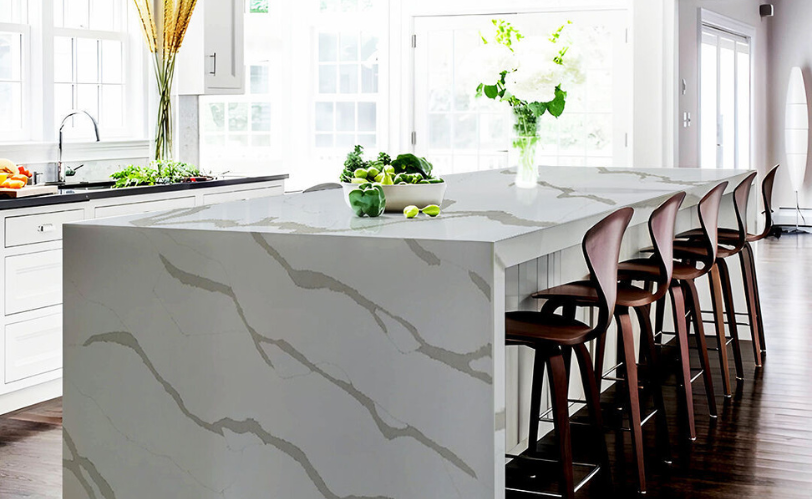
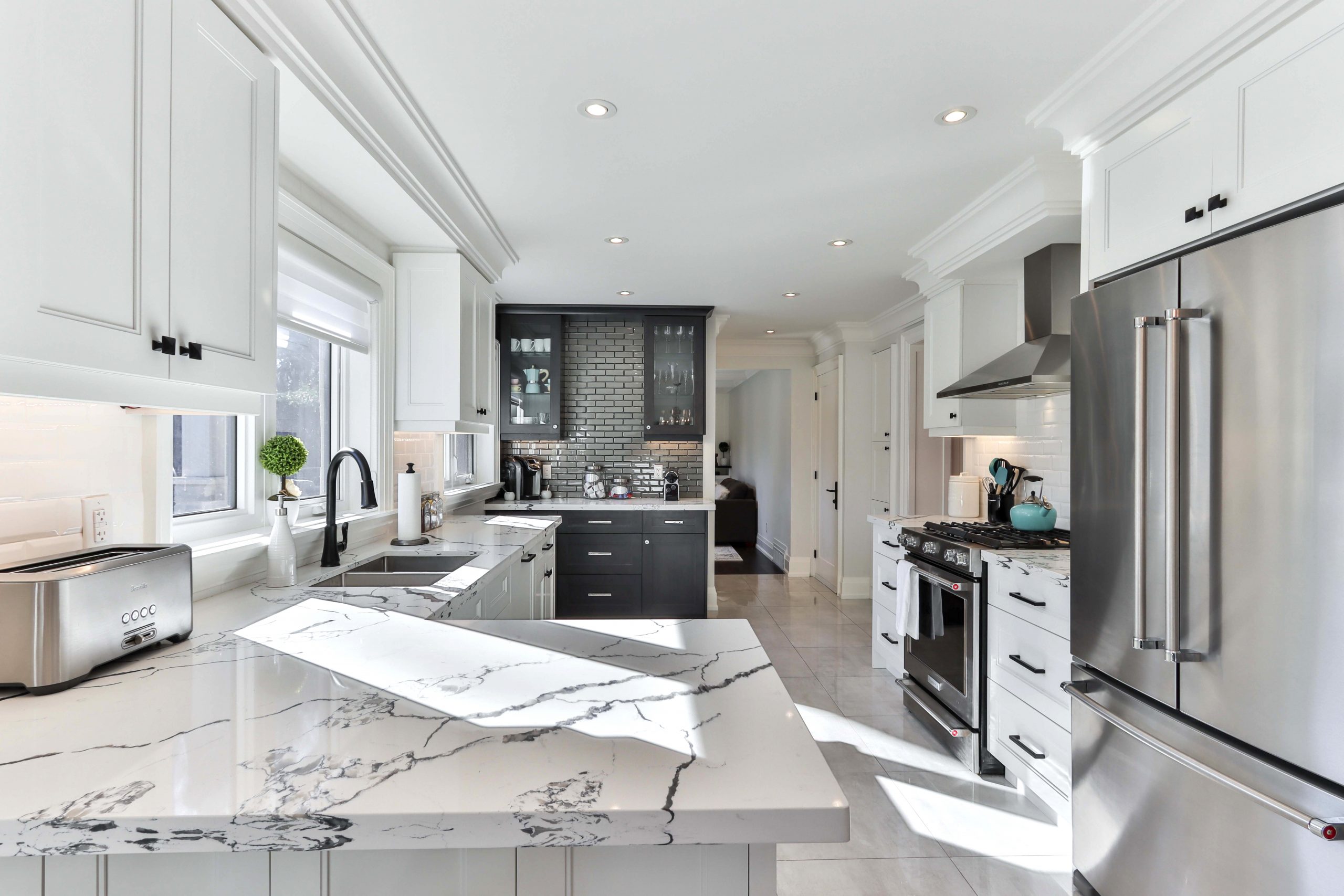
Solid surface kitchen countertops have become a popular choice for modern kitchens due to their combination of functionality and clean design. One of the main reasons homeowners prefer these surfaces is their seamless installation, which creates a smooth and continuous countertop without visible joints. This not only enhances the overall appearance of the kitchen but also makes cleaning easier.

Another factor contributing to the popularity of solid surface kitchen countertops is their non-porous nature. Since the surface does not easily absorb liquids, it helps prevent stains and bacteria buildup. This makes the countertop a hygienic and practical option for everyday cooking and food preparation.

Additionally, solid surface countertops are available in a wide range of colors and patterns, allowing homeowners to choose designs that match different kitchen styles and interior themes.

Best Design Styles for Kitchen Applications

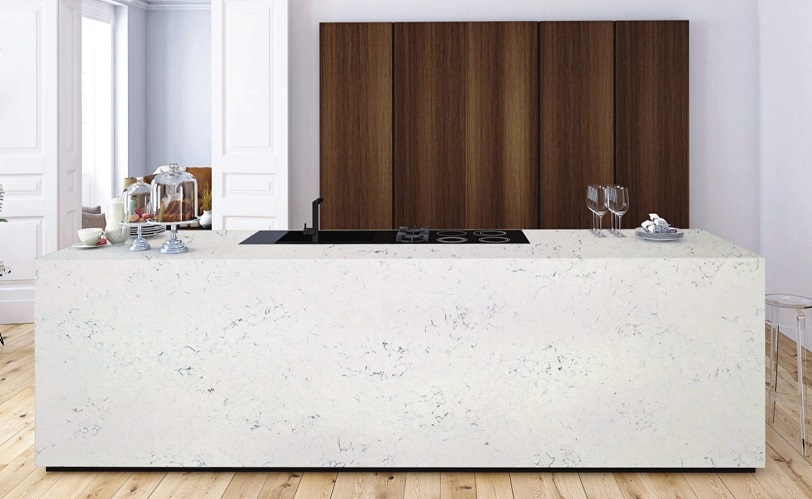
Solid surface kitchen countertops are versatile and can complement a variety of kitchen design styles. Their smooth and uniform appearance works especially well in modern and contemporary kitchens where clean lines and minimalistic aesthetics are preferred.

Neutral tones such as white, grey, and beige are commonly used to create a bright and spacious feel in the kitchen. At the same time, darker shades or subtle patterns can add depth and sophistication to the space.

Another popular design option is integrated sinks and backsplashes, which can be fabricated as part of the countertop. This seamless design enhances the visual appeal of solid surface kitchen countertops while also improving functionality.

Maintenance Tips for Kitchen Countertops

Maintaining solid surface kitchen countertops is relatively simple with regular care. Daily cleaning can be done using mild soap and water to remove dirt and spills from the surface.

To avoid scratches, it is recommended to use cutting boards during food preparation. Placing hot cookware directly on the countertop should also be avoided, as excessive heat can damage the surface.

Occasional polishing can help restore the original shine of solid surface kitchen countertops and keep them looking new for years.

Solid Surface Vanity Tops

Why Solid Surface Vanity Tops Are Ideal for Bathrooms

Solid surface vanity tops are widely used in bathrooms because of their durability and resistance to moisture. Since the material is non-porous, it does not easily absorb water, making it suitable for humid bathroom environments.

Another advantage of solid surface vanity tops is their seamless design. Many vanity tops can include integrated sinks and backsplashes, creating a smooth and modern appearance.

Because the surface resists stains and bacteria buildup, solid surface vanity tops are also easy to clean and maintain, making them a practical option for residential and commercial bathrooms.

Popular Sizes and Configurations

Solid surface vanity tops are available in various sizes and configurations to fit different bathroom layouts. Smaller bathrooms often use compact vanity tops with a single sink, which helps maximize space while maintaining functionality.

Medium-sized bathrooms may feature wider vanity tops that provide additional countertop space for toiletries and accessories. Larger bathrooms can accommodate extended solid surface vanity tops that offer more room for storage and daily use.

Custom fabrication options also allow vanity tops to be designed according to specific dimensions and layout requirements.

Single vs Double Solid Surface Vanity Tops

When selecting solid surface vanity tops, homeowners often choose between single-sink and double-sink configurations depending on the size of the bathroom and usage needs.

Single solid surface vanity tops are commonly used in smaller bathrooms or powder rooms where space is limited. They provide a compact and efficient solution while still offering the durability and easy maintenance associated with solid surface materials.

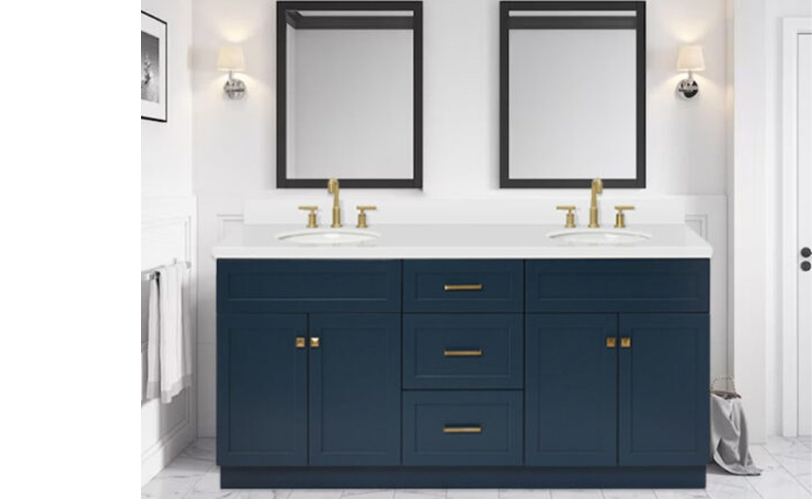
Double solid surface vanity tops, on the other hand, are ideal for larger bathrooms or shared spaces. They feature two sinks and provide more countertop area, allowing multiple users to comfortably use the space at the same time.



Why Do People Choose Solid Surface Countertops?

Solid surface countertops are one of those quiet choices people make when they just want something that works, something that handles daily messes, looks clean, and doesn’t need constant babying. 

They don’t come with a long list of dos and don’ts. Here’s why people choose this option for their kitchens: 

1. No Visible Seams

One of the best things about solid surfaces is that the seams disappear. When installed properly, it all blends into one clean, smooth stretch of countertop. There’s no line cutting through the design, no awkward edges. And cleaning’s easier too, no crumbs falling into gaps.

2. Repairable

Scratched or burned it slightly or scuffed it during a hectic dinner prep? Most of that damage can be repaired. Unlike granite or laminate, where damage usually means a permanent flaw or a full replacement, a solid surface countertop gives you a chance to fix things without calling in a contractor every time.

3. Low Maintenance

You don’t need to reseal it every few months. It’s sturdy and requires low maintenance. It’s not bulletproof, but you’re also not spending your weekends doing countertop upkeep. That’s a win in busy households.

4. Non-porous Surface

Since the surface doesn’t absorb liquids, there’s less risk of staining or bacteria hiding in tiny cracks. Just wipe it down, and you’re good. Great for families, food prep, or even medical spaces that need to stay hygienic.

5. Things to Remember

No countertop is perfect. And solid surfaces have their limits, too. Here are a few things to remember:

  • Don’t place hot pans directly on them. Use a heat pan or a trivet.
  • Don’t cut straight on the surface; use a chopping board.
  • They’re softer than granite, so treat them with some care.
  • When you treat solid surface countertops decently;  they probably last for 15 or 20 years, maybe more.

Solid Surface Countertops vs Other Options

Below is a quick comparison of solid surface countertops with the other options available in the market: 

Feature

Solid Surface

Granite

Quartz

Laminate

Non-Porous

Yes

No

Yes

No

Heat Resistant

Moderate

High

High

Low

Repairable

Yes

No

No

No

Seamless Appearance

Yes

No

Slight

No

Design Flexibility

High

Low

Medium

Medium

Price Range

Mid

High

Mid-High

Low

Cost of Solid Surface Countertops

The cost of solid surface countertops can vary depending on the material quality, design complexity, and installation requirements. Compared to many natural stone options, solid countertops are generally considered a mid-range option that offers a balance between affordability and design flexibility.

Understanding the pricing factors can help homeowners plan their budget when installing solid surface kitchen countertops or solid surface vanity tops in bathrooms.

Average Price Per Square Foot

The average cost of solid surface countertops typically ranges between $40 to $80 per square foot for the material alone. The final price can vary depending on the brand, color selection, and customization options.

Basic colors and standard finishes are usually more affordable, while premium patterns or designer collections may cost more. Custom fabrication for solid surface kitchen countertops or solid surface vanity tops can also influence the overall material cost.

Installation Cost

Installation costs for solid surface countertops depend on several factors, including the size of the countertop, design complexity, and labor requirements. Professional installation generally ranges from $10 to $30 per square foot.

If the design includes features such as integrated sinks, custom edges, or seamless joints for solid surface kitchen countertops, the installation cost may increase. Proper installation is important to ensure durability and achieve the seamless finish associated with solid surface materials.

Factors Affecting Solid Countertops Price

Several factors can influence the overall price of solid countertops.

Material Quality
Different manufacturers offer varying grades of solid surface countertops, and premium materials usually come at a higher price.

Customization and Design
Custom edge profiles, integrated sinks, and unique shapes for solid surface vanity tops or kitchen countertops can increase the total cost.

Countertop Size and Thickness
Larger countertops or thicker slabs require more material and fabrication, which can affect pricing.

Installation Complexity
Complex layouts, additional cutouts, and detailed finishing work for solid surface kitchen countertops may also raise the installation cost.

Conclusion

Solid surface countertops aren’t here to make bold design statements, but a soft and lasting impression. They are durable and offer an aesthetic appeal to your kitchen. It matches well with standard kitchen counter height and works across different interior needs.

We understand that your space needs a surface that works as hard as you do, without constant upkeep or worry. At Imperial Vanities, we offer durable, custom-crafted solid surfaces designed for both performance and style. Reach out to us today and let us help you choose the right fit for your next project.

    Contact Form

    We are Happy to help you!

      We are Happy to help you!